
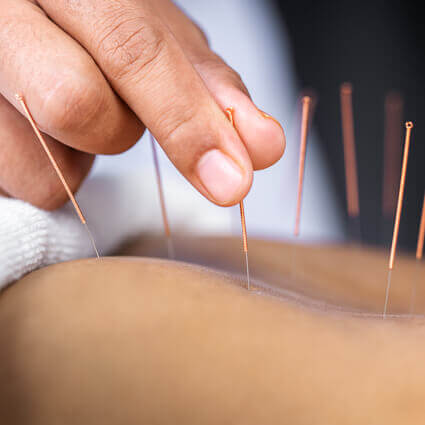
 At first glance, dry needling and acupuncture can appear very similar. However, the principles behind them are quite different. Here’s how the two approaches compare.
Two Different Approaches Using Similar Needles
Traditional Chinese acupuncture is based on the concept of Qi, which is described as energy flowing through pathways known as meridians. Practitioners place needles at specific points along these pathways as part of that system of care.
Dry needling takes a different approach. It is based on Western anatomy and focuses on muscles, connective tissues, and trigger points. Rather than targeting energy meridians, the needles are inserted into specific areas of muscle tension and restriction.
Chiropractor Dr Silvio Fico is not trained in Chinese medicine and does not practise traditional acupuncture. When he uses needles, it’s as part of a Western-style dry needling approach focused on muscular function and movement.
When Is Dry Needling Commonly Considered?
Dry needling may be considered when muscle tension or trigger points are thought to be contributing to a person’s symptoms.
Dr Fico commonly incorporates dry needling into care plans for:
- Back pain, particularly when surrounding muscles have become tight
- Neck and shoulder discomfort
- Headaches
- Tension in the upper trapezius muscles
- Tension in the suboccipital muscles at the base of the skull
During an assessment, he considers whether the presentation appears to have a significant muscular component before recommending dry needling.
What Does Dry Needling Feel Like?
One of the most common questions patients ask is whether dry needling hurts.
Most people notice a slight prick when the needle is inserted. Some report very little sensation at all. If discomfort occurs, it’s often brief and usually settles within a short period.
The needles are typically left in place for around five minutes, while the full appointment generally takes between 15 and 20 minutes from start to finish. Experiences can vary from person to person, which is why Dr Fico discusses expectations and answers questions before beginning care.
How Does Dr Fico Decide If Dry Needling Is Appropriate?
Not every patient is a suitable candidate for dry needling.
As part of the assessment process, Dr Fico may use techniques such as the Graston Technique® to evaluate muscle involvement and soft tissue tension. If the findings suggest a significant muscular component, dry needling may be considered as one of the available options.
Recommendations are always based on the individual’s presentation, health history, and personal preferences.
Addressing Common Concerns
Many patients initially assume dry needling is the same as acupuncture. Dr Fico explains the differences and answers any questions before proceeding. Others are concerned about the needles themselves. He shows patients the single-use sterile needles used during care and explains that they are disposed of after each session.
For those who feel nervous, he may suggest starting with a single needle. If the patient is comfortable, they can continue. If not, alternative approaches such as the Graston Technique may be considered.
Considering Dry Needling?
If you’re curious about dry needling and whether it may be appropriate for your situation, speak with Dr Fico during your consultation. Following an assessment, he can discuss the available options and help you make an informed decision about your care.